
Buying EV, Hybrid, or Gas in 2026: Which Saves You Most?
Buying EV, Hybrid, or Gas in 2026: Which Saves You Most?
Posted on March 2, 2026
Service Department Parts Department Myers Tire Centre
Buying a car in 2026 feels different from it did just a few years ago. Electric vehicles are no longer rare. Hybrids have become more powerful and practical. Gas vehicles are still familiar and widely available. For many Canadian buyers, the real question is no longer about trends. It is about money over time. What costs less to own, drive, and resell in Canada, especially in Ontario?
This guide breaks down the total cost of ownership in simple terms. Purchase price, fuel or charging, maintenance, incentives, and resale value are all considered. The goal is to help you choose what actually fits your lifestyle and budget.
The Real Cost of Ownership Explained Simply
The sticker price is only the beginning. Over several years, fuel or electricity, service visits, repairs, and resale value shape the true cost. According to cost comparisons from Autoblog, Canada Drives, and CNET, long-term savings depend heavily on how and where you drive. City commuters see different results than highway drivers. Winter driving in Ontario also plays a role.
Electric Vehicles in 2026: Higher Price, Lower Running Costs
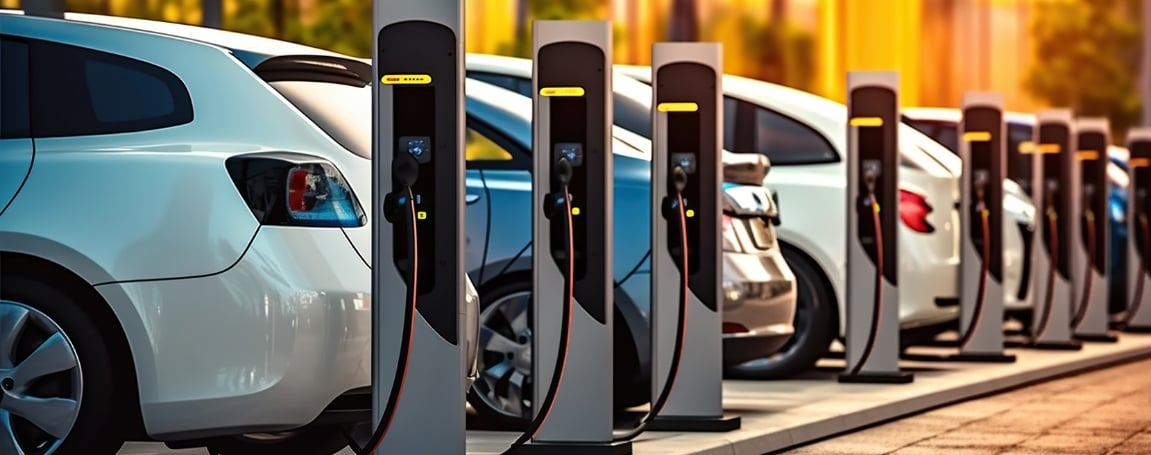
EVs in 2026 usually cost more upfront. Many new electric models in Canada still cost more than their gas equivalents. However, operating costs are much lower. Electricity is cheaper than fuel, even with rising hydro rates. Charging at home overnight costs far less than filling a tank.
Maintenance is another big saving. EVs do not want oil changes, spark plugs, or exhaust repairs. Fewer moving parts mean fewer service visits. Regenerative braking also reduces brake wear.
Performance is no longer a concern. Many EVs produce between 200 and 400 horsepower, with instant torque often exceeding 300 lb-ft. Single-speed transmissions deliver smooth acceleration. Typical range sits between 400 and 500 kilometres, even in mixed driving. Interiors often feature 12- to 15-inch infotainment screens, advanced driver-assistance systems, and flat floors that improve cargo space.
Resale values for EVs have improved as battery technology has become more reliable. Government incentives, when available, further reduce ownership costs.
Hybrids in 2026: The Middle Ground That Makes Sense
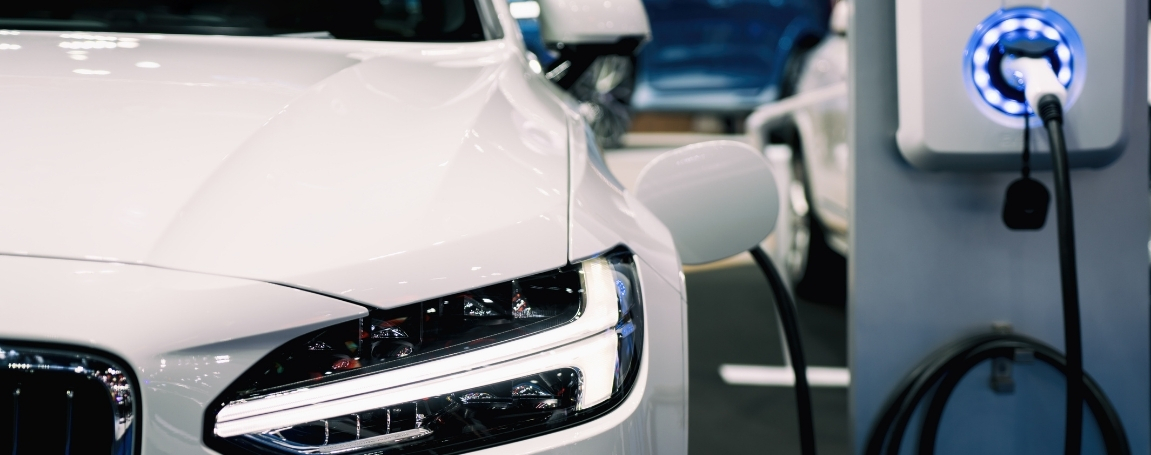
Hybrids often offer the best balance for Ontario drivers. Purchase prices are lower than EVs but slightly higher than gas vehicles. Fuel savings are significant, especially in city traffic, where electric assistance is more often used.
Most modern hybrids combine a four-cylinder engine with an electric motor, producing 180 to 250 horsepower and solid low-end torque. Fuel efficiency can drop as low as 4.5 to 5.5 L/100 km, depending on the model. Transmissions are usually CVT or e-CVT for smooth driving.
Maintenance costs are moderate. Hybrids still need oil changes, but brake wear is reduced and engines experience less stress. Resale values are strong because buyers trust the technology and enjoy fuel savings without range concerns.
For buyers who cannot charge at home or drive long distances in winter, hybrids remain one of the safest financial choices.
Gas Vehicles in 2026: Familiar but Costly Over Time
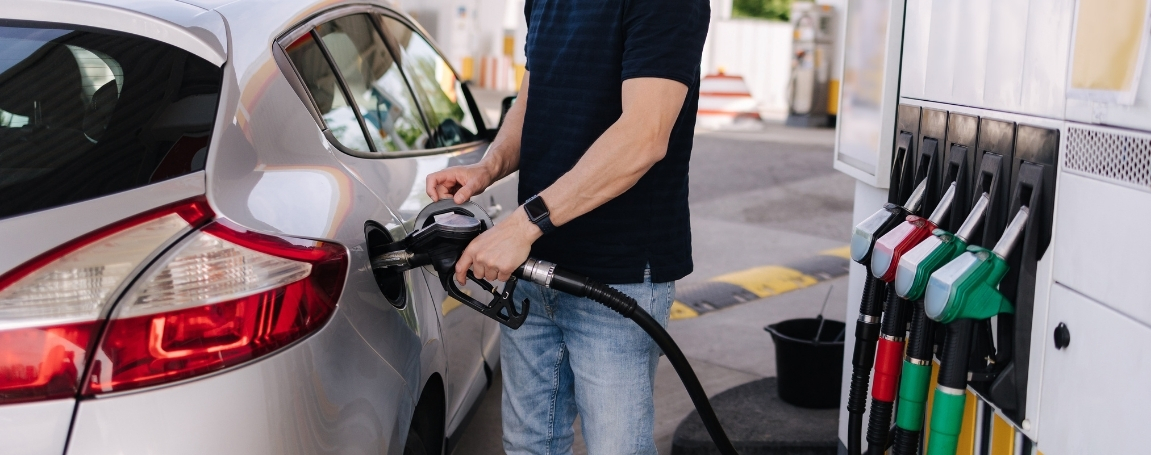
Gas vehicles usually have the lowest purchase price. This still appeals to many buyers. However, fuel costs in Canada continue to rise, and maintenance adds up quickly over several years.
Most gas vehicles in 2026 offer 150 to 300 horsepower and automatic transmissions. Fuel efficiency averages 7 to 10 L/100 km, depending on size and drivetrain. Maintenance includes oil changes, transmission servicing, and exhaust repairs.
Resale value can be lower in the long run, especially as more buyers shift toward electrified options. Gas vehicles still make sense for drivers with very low annual mileage or those who prefer traditional ownership.
Which Option Fits You Best?
Here is a simple way to think about it:
- EVs work best for daily commuters with home charging who want the lowest long-term running costs and modern technology.
- Hybrids suit drivers who want fuel savings without changing habits or worrying about charging access.
- Gas vehicles remain practical for short-term ownership or low-mileage driving but usually cost more over time.
Winter conditions in Ontario make efficiency, traction, and heating systems important. Many modern EVs and hybrids now include heat pumps, advanced traction control, and intelligent safety systems that perform well year-round.
Buy Your Favourite Car at the Best Price
Choosing the right vehicle is easier when you have options. Whether you are looking for a new model, a quality used vehicle, or a certified pre-owned option, expert guidance makes the decision clearer. Visit Myers Auto Group Account in Ottawa to explore a wide selection available across Ontario and find the option that fits your budget, driving habits, and future plans.
The smartest choice in 2026 is not about trends. It is about what saves you the most while fitting your everyday life.