
Driving Tips to Control Your Skidding Car on the Snowy Road!
Driving Tips to Control Your Skidding Car on the Snowy Road!
Posted on March 2, 2026
Winter driving in Canada can feel unpredictable. One moment, the road seems fine, and the next, your car starts to slide. Snow and ice reduce tire grip, and even experienced drivers can feel caught off guard. In Ontario, where winter temperatures often swin,g and roads can freeze overnight, knowing how to react matters more than having power or speed. Learning how to stay calm and respond correctly can help keep you and others safe.
Why Cars Skid on Snow and Ice
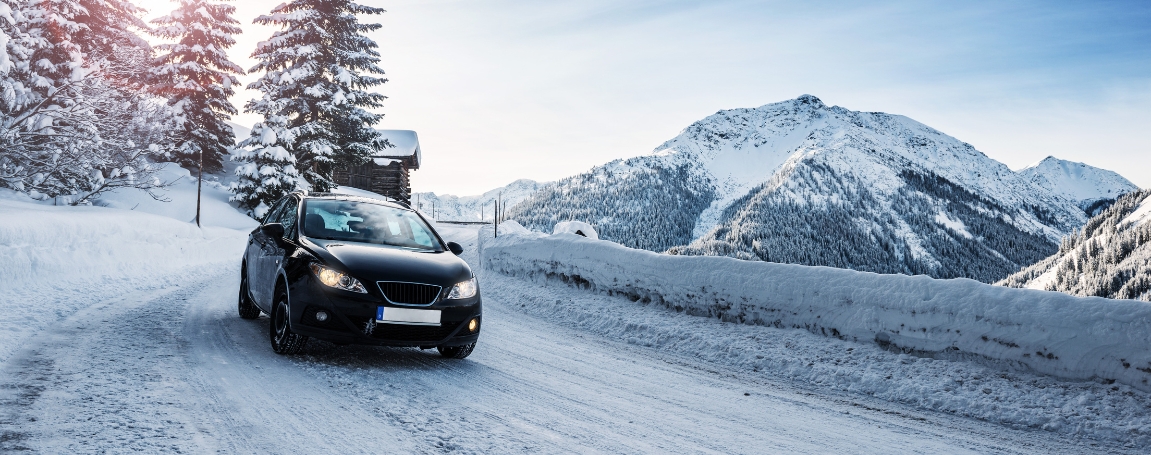
A skid happens when tires lose traction. On icy or snowy roads, rubber cannot grip the surface as well as on dry pavement. Sudden steering, hard braking, or quick acceleration can break that limited grip. Vehicles with higher horsepower or strong torque can lose traction faster if the throttle input is too aggressive. Even cars with all-wheel drive can skid because AWD helps you move, not stop.
According to Canadian winter safety guidance, black ice and packed snow are the most common causes of sudden skids, especially during early mornings and late evenings when temperatures drop quickly.
How to Stay Calm When a Skid Starts
The most important step is staying calm. Panic leads to overcorrection. When a vehicle begins to slide, the engine power, transmission type, and wheel setup no longer matter as much as smooth control. Modern vehicles, whether gas, hybrid, or electric, respond best to gentle inputs. Sudden movements confuse the traction systems and worsen the slide.
Steering Into the Skid Explained Simply
When your rear wheels slide to the side, your instinct may be to turn away. That reaction usually makes things worse. Steering into the skid means turning the wheel in the direction the rear of the car is moving. This helps realign the wheels and regain traction.
If the rear slides right, steer right. If it slides left, steer left. Keep your eyes focused on where you want the car to go, not where it is sliding. This technique works across vehicles with automatic transmissions, CVTs, or single-speed EV drivetrains.
Braking the Right Way on Slippery Roads
Modern vehicles use ABS braking systems. When braking on ice or snow, apply firm, steady pressure rather than pumping the brake pedal. ABS automatically pulses the brakes to prevent wheel lockup. If the wheels lock, steering control is lost.
Older or improperly maintained vehicles may not respond as well. In all cases, braking should be smooth and early. Sudden braking increases the chance of skidding, regardless of tire size or wheel setup.
Using Traction and Stability Control Properly
Most modern vehicles include traction control and electronic stability control. These systems help reduce engine power and apply braking to individual wheels when slip is detected. They work best when drivers do not fight them.
Avoid turning these systems off unless stuck at very low speeds. High-torque vehicles, including EVs, rely heavily on these systems to manage instant power delivery on icy roads.
Simple Winter Preparation That Makes a Difference
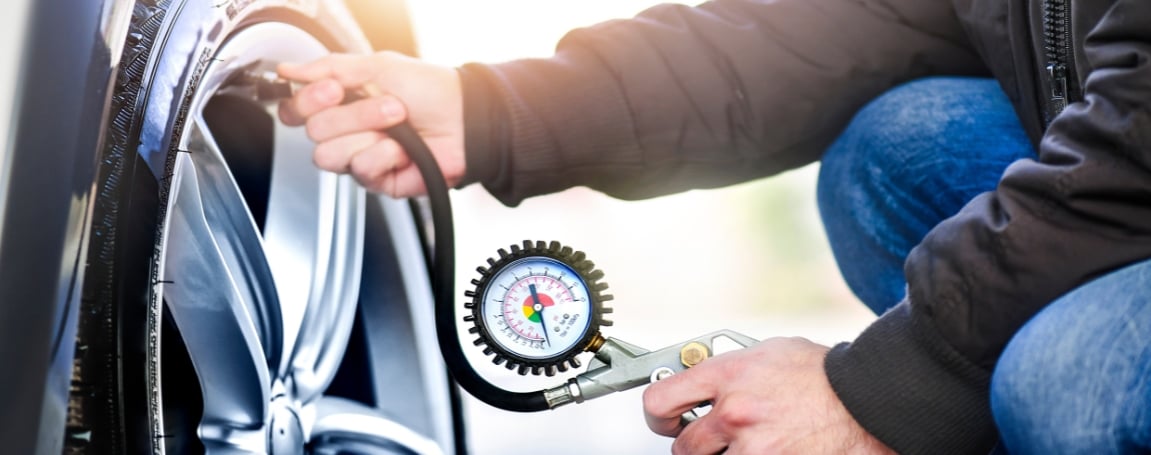
A well-prepared car skids less often. Proper winter tires improve grip significantly compared to all-season tires. Maintaining correct tire pressure is also important, as cold temperatures reduce pressure.
Vehicle weight distribution matters too. Cargo space should not be overloaded at the rear, as this can cause imbalance. Clean headlights, functioning safety sensors, and properly calibrated driver assistance systems all help improve winter visibility and response.
Here is a short winter-ready checklist:
- Install winter tires early
- Check tire pressure regularly
- Keep fuel or battery levels sufficient
- Clear snow from sensors and camera
Common Mistakes That Increase Skidding Risk
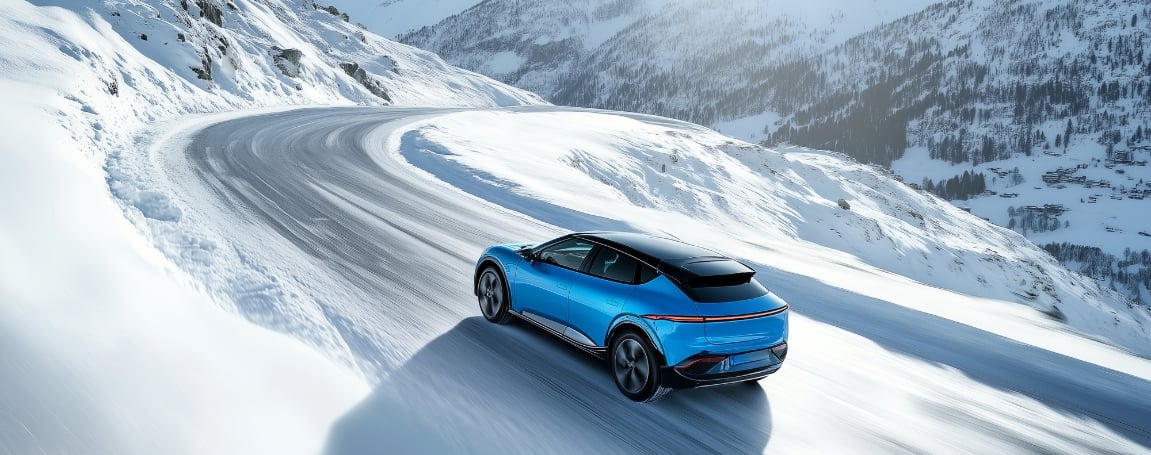
Many skids happen because of simple habits. Accelerating too quickly, tailgating, or relying too much on vehicle power are common issues. High horsepower does not mean better winter control. Smooth driving does. Another mistake is overconfidence in all-wheel drive. AWD helps you move forward, but does not shorten stopping distance.
Step-by-Step Approach for Canadian Winter Roads
Slow down before turns. Leave extra space between vehicles. Use gentle steering and braking. Watch for shaded areas where ice forms first. These steps apply whether you drive a compact sedan, SUV, or electric crossover with advanced infotainment screens and safety features.
Read More Informative Blogs to Stay Updated and Aware
Safe winter driving starts with the right knowledge. For more seasonal tips, updates, and helpful guides, explore the latest content from Myers Auto Group Account in Ottawa, serving drivers across Ontario. Staying informed helps you stay confident on every winter journey.