
Most Common Problems in Used Cars After 100,000 KM!
Most Common Problems in Used Cars After 100,000 KM!
Posted on July 2, 2026
Service Department Parts Department Myers Tire Centre
When a vehicle crosses the 100,000 KM mark, it enters a phase where wear-and-tear components begin to show noticeable ageing. In Canada, where long commutes and harsh winters are common, this milestone becomes even more important for buyers and owners. Understanding what typically goes wrong at this stage helps avoid unexpected repair costs and ensures smarter used-car decisions.
Engine Wear and Loss of Efficiency
The engine is the heart of any vehicle, and after 100,000 KM, it may begin to show early signs of fatigue. Common issues include reduced fuel efficiency, oil leaks, carbon buildup, and worn-out seals or gaskets.
Drivers may notice indications such as rough idling, reduced acceleration, or increased engine noise. These are early warning signs that internal components are experiencing stress.
Repair costs can fluctuate, generally depending on severity. Minor gasket replacements may be affordable, but major internal repairs can become expensive quickly if ignored.
Routine oil changes and timely servicing play a major role in extending engine life well beyond this milestone.
Transmission Performance Decline
Transmission systems, automatic or manual, often begin to show signs of ageing after extended use.
Common issues include delayed shifting, slipping gears, or unusual vibrations during acceleration. In colder Ontario climates, fluid thickening can also add strain during winter starts.
A transmission repair or rebuild is one of the most exclusive maintenance a vehicle can require, often ranging from moderate to very high costs depending on damage level.
Regular transmission fluid changes are among the most effective ways to prevent premature failure and maintain smooth performance.
Suspension System Fatigue
Road conditions in Canada, especially potholes and winter salt damage, can significantly impact suspension components over time.
After 100,000 KM, parts such as shock absorbers, struts, bushings, and control arms may begin to wear out.
Signs include uneven tire wear, poor handling, excessive bouncing, or clunking noises over bumps. These issues not only affect coziness but also diminish vehicle safety and stability.
Replacing suspension components can significantly improve driving quality, but the cost depends on how many parts are worn at the same time.
Brake System Deterioration
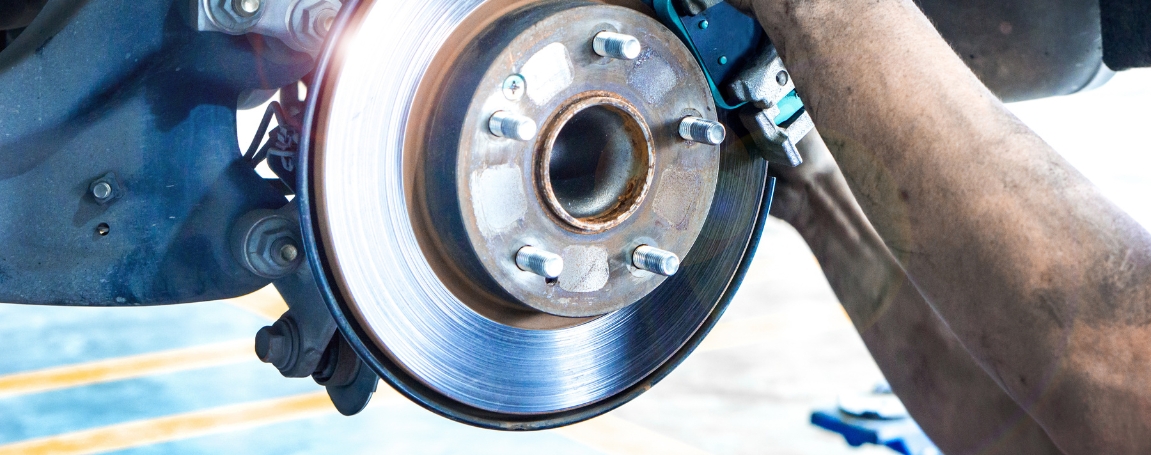
Braking systems naturally degrade with usage. Around or after the 100,000 KM mark, rotors, pads, and calipers may require replacement.
Warning signs include squealing noises, reduced stopping power, or vibrations when braking. Ignoring these indications can lead to slower stopping distances and higher safety risks.
Brake maintenance is generally more affordable compared to other systems, but delaying repairs can lead to more expensive rotor or calliper damage.
Regular inspections help ensure safe braking performance, especially for city driving conditions.
Electrical and Sensor Malfunctions
Modern vehicles rely heavily on electronics, and ageing wiring or sensors can begin to fail over time.
Common issues include malfunctioning dashboard lights, faulty sensors, power window problems, or intermittent infotainment glitches.
In many cases, these issues are not dangerous but can be inconvenient and costly to diagnose due to complex systems.
Battery health and alternator performance should also be checked regularly, as they play a key role in supporting the vehicle’s electrical system.
What Buyers Should Watch Before Purchasing

When considering a high-mileage vehicle, a proper inspection is essential. Buyers should pay attention to service history, accident records, and signs of major component replacement.
A test drive can reveal early warning signs such as unusual vibrations, delayed shifting, or suspension noise. A proficient inspection is highly suggested before finalizing any purchase.
It is also helpful to review maintenance records to confirm whether key services such as oil changes, brake replacements, and fluid flushes were performed on time.
Maintenance Tips to Extend Vehicle Life
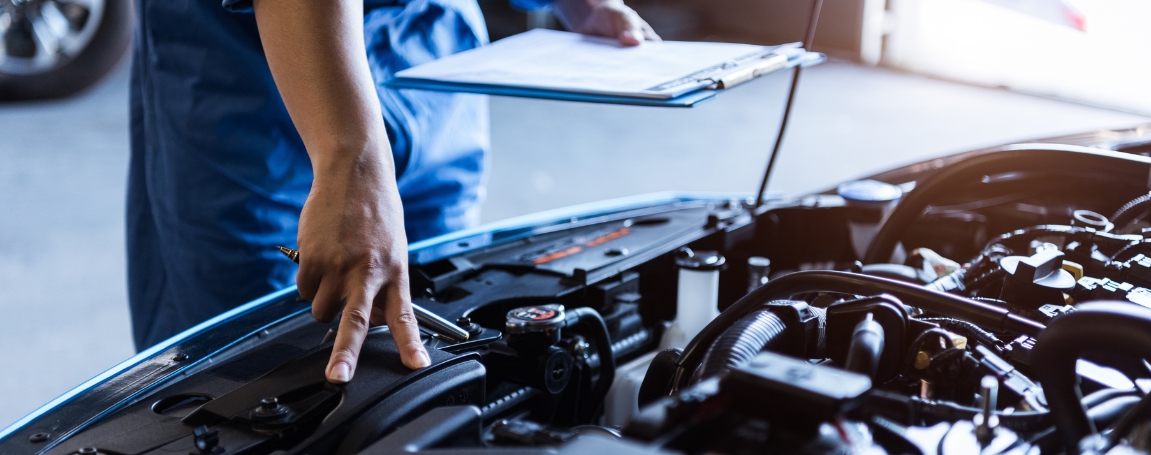
Proper maintenance can expressively spread the lifespan of a vehicle beyond 100,000 KM.
Regular oil changes, timely brake servicing, suspension checks, and transmission fluid replacements all help reduce long-term repair costs.
Driving habits also matter. Smooth acceleration, avoiding sudden braking, and reducing heavy loads can help preserve the health of the engine and transmission.
Cold weather protection, especially in Canadian winters, also plays a major role in reducing wear on multiple systems.
Why High-Mileage Cars Can Still Be a Good Choice
Despite common issues, a well-maintained high-mileage vehicle can still offer strong reliability and value. Many modern cars are built to last well beyond 200,000 KM when properly cared for.
The key is understanding the condition rather than focusing only on mileage. A well-serviced vehicle with records is often a better choice than a lower-mileage car with poor maintenance history.
Final Thoughts on Smarter Used Car Decisions
Reaching 100,000 KM is not the end of a vehicle’s life, but it is a point where careful evaluation becomes essential. Knowing the common problem areas helps buyers avoid unexpected expenses and choose vehicles that offer long-term reliability.
Find Certified and Reliable Used Cars In Our Inventory!
Choosing the right high-mileage vehicle becomes much easier when you have trusted options and proper inspection standards. Myers Auto Group Account in Ottawa offers a wide selection of quality new and certified pre-owned vehicles across Ontario, helping buyers make confident decisions backed by reliability and value. Visit today to explore dependable options that suit your needs and budget.
Browse The Used Vehicles Inventory!