
Breaking down why Electric Cars Depreciate Faster Than Fuel Cars!
Breaking down why Electric Cars Depreciate Faster Than Fuel Cars!
Posted on July 2, 2026
Service Department Parts Department Myers Tire Centre
Electric vehicles have rapidly grown in popularity across Canada, especially in provinces like Ontario where sustainability goals and fuel savings are a major focus. However, one surprising trend continues to concern buyers: many electric models depreciate faster than traditional gasoline-powered cars.
Understanding why this happens helps buyers make smarter decisions and helps owners protect long-term value.
Rapid Technology Shifts Change the Market Quickly
One of the biggest reasons for faster value loss is the rapid pace of EV technology evolution. Battery range improvements, charging speed upgrades, and software enhancements are happening almost every year.
This means a two- or three-year-old electric model can feel outdated much faster than a comparable gas vehicle. Buyers in the used market often prefer newer tech, which reduces demand for older electric units.
As highlighted in industry analysis, constant innovation creates a wider gap between new releases and previous generations, impacting resale value trends significantly.
Battery Health Concerns Affect Buyer Confidence
Battery condition plays a central role in pricing used electric vehicles. Unlike a traditional engine, the battery is the most expensive component, and its long-term health directly affects performance and driving range.
Even though modern EV batteries are designed to last many years, potential buyers still worry about degradation over time. Reduced range or uncertain replacement costs often lead to lower resale offers.
This perception creates a gap between actual durability and market confidence, pushing prices down faster than for gas-powered alternatives.
Charging Infrastructure Still Influences Demand
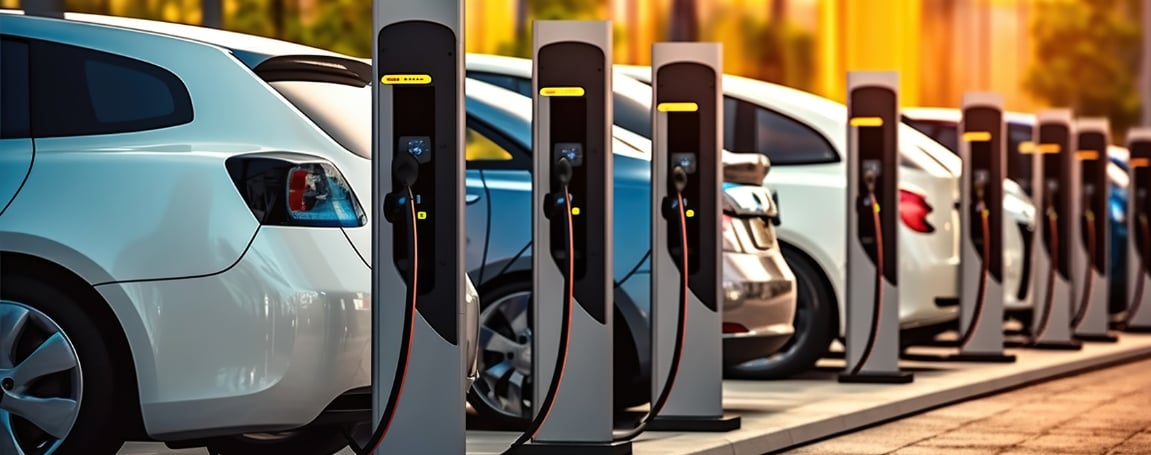
Canada’s charging network is expanding, but it is not yet as convenient as widespread fuel stations—especially in rural or colder regions of Ontario.
This limitation affects used EV demand for used EVs in certain markets. Buyers may hesitate if they do not have easy access to home charging or nearby fast public charging stations.
As a result, resale values tend to vary significantly depending on location and the availability of infrastructure. In regions with fewer charging options, depreciation is often more noticeable.
Higher Starting Prices Create a Bigger Drop

Electric vehicles generally cost more upfront due to battery production and advanced electronics. While incentives help reduce initial pricing, the original purchase cost is still higher than that of many comparable gas models.
When resale value is calculated as a percentage of original price, EVs often appear to lose more value simply because they start higher.
This creates a steeper depreciation curve even when the actual dollar loss may be similar to that of traditional vehicles.
Resale Market Reality in Canada
In Ontario’s used vehicle market, demand plays a key role in pricing. Gas-powered vehicles still dominate buyer preference due to familiarity, refueling convenience, and lower perceived risk.
As a result, used electric models sometimes sit on dealership lots longer, leading to price adjustments.
However, this trend is gradually shifting as more Canadians adopt electric mobility and charging infrastructure improves across provinces.
Industry comparisons show that depreciation rates vary widely depending on brand reputation, battery range, and the longevity of software support.
Smart Ways to Reduce Value Loss
Owners can take several steps to help protect long-term resale value:
Keeping battery charge within recommended levels (avoiding constant full or empty states) helps preserve long-term health. Regular software updates also ensure the vehicle remains current with performance improvements and safety enhancements.
Choosing models with strong brand reputation, longer battery warranties, and proven range stability can also improve resale performance.
Additionally, maintaining service records and keeping the vehicle in good cosmetic condition makes a noticeable difference when selling or trading in.
How Buyers Can Make Smarter Choices
When shopping for an electric model, buyers should consider:
- Real-world driving range, not just advertised numbers
- Warranty coverage on battery systems
- Availability of charging stations in their area
- Software update support from the manufacturer
- Historical resale performance of the brand
Researching these factors helps reduce long-term financial loss and improve ownership satisfaction.
Final Perspective on Value and Future Growth
While electric vehicles currently face faster depreciation in many cases, the gap is expected to narrow as technology stabilizes, infrastructure expands, and consumer confidence increases.
Ontario is already seeing growing adoption, and as demand rises, resale values are likely to strengthen over time.
For now, understanding the market dynamics helps buyers make more informed decisions and avoid unexpected value drops.
Buy Your Favourite Car At The Best Price!
Whether you’re exploring new, used, or certified options, finding the right vehicle at the right price is what matters most. At Myers Auto Group Account in Ottawa, customers can compare a wide selection of vehicles across Ontario and choose options that best fit their lifestyle and budget. Visit today to explore flexible choices and drive away with confidence backed by trusted dealership support.
Explore Our Latest EV Inventory!